
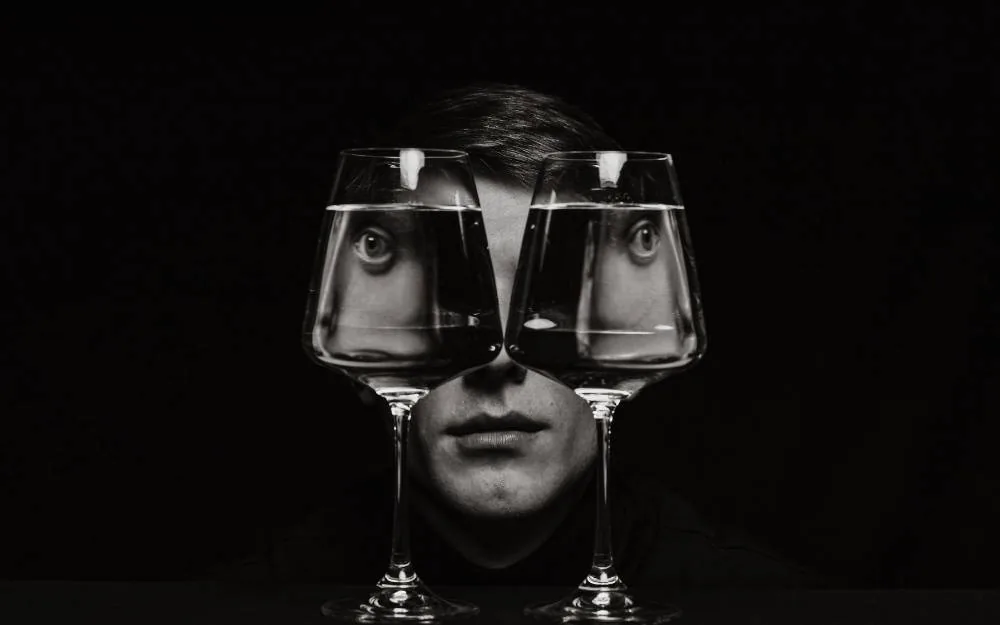
Inclusive creativity is not a niche concern or a moral add-on to artistic practice. It is the future of art itself. As society reexamines who art is for and how it is experienced, accessibility and perception are no longer secondary considerations—they are central design principles.
The next era of creativity will be defined not by exclusivity of vision, but by the depth of human experience it enables. <h3>Inclusion Is a Creative Imperative</h3> For decades, accessibility in art was treated as accommodation—something added after the work was complete. This approach limits creativity and reinforces narrow definitions of artistic value.
Inclusive creativity flips this logic. It treats diverse perception as a starting point rather than a constraint. When artists design with accessibility in mind from the outset, they expand expressive potential and conceptual clarity.
Inclusion does not dilute artistic intent. It sharpens it. <h3>Perception Shapes Artistic Meaning</h3> Art exists through perception. Sight is only one pathway among many. Touch, sound, movement, memory, and emotional resonance all contribute to how meaning is constructed.
When creativity acknowledges multiple perceptual experiences: <ul> <li>Art becomes more layered and intentional</li> <li>Audiences engage more actively</li> <li>Interpretation becomes personal rather than prescribed</li> </ul> This shift recognizes that perception is varied, and that variation strengthens creative work.
<img src=""more-posts">← All articles