
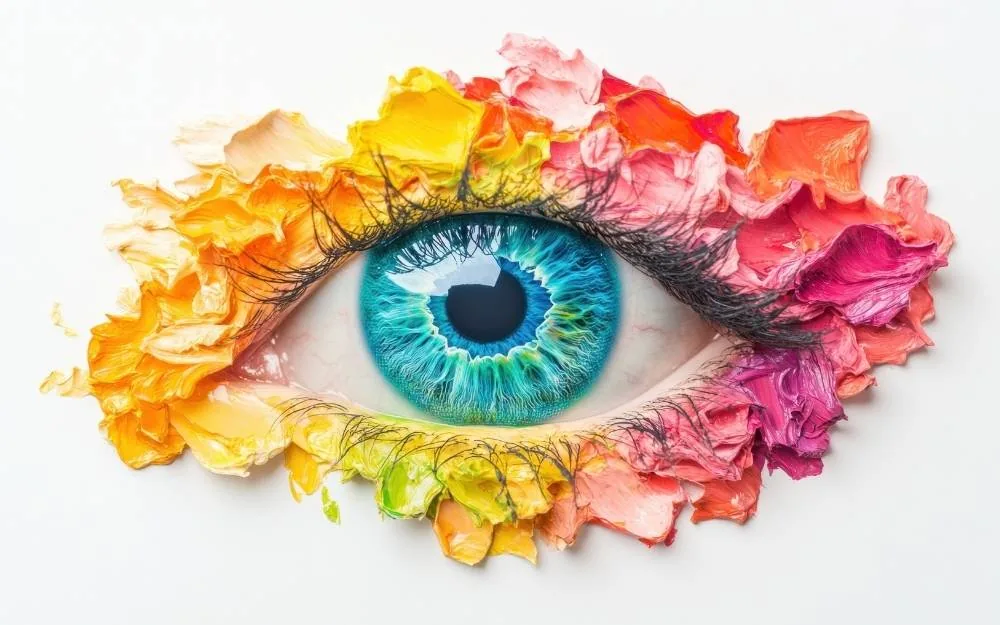
Visual art has long been governed by sight as its primary authority. Galleries prioritize appearance, critique revolves around composition, and value is often assigned based on what can be seen. This model is increasingly inadequate. As artistic practice evolves, creativity is being redefined by sensory experience rather than visual dominance.
This shift is not conceptual experimentation—it is a necessary correction. <h3>Visual Art Has Never Been Only Visual</h3> The term <em>visual art</em> is misleading. Even traditional artworks rely on more than sight. Scale affects the body. Texture implies touch. Space influences movement. Emotion shapes interpretation. Vision is only one input in a broader sensory system.
When creativity is understood through sensory experience, art becomes: <ul> <li>Experiential rather than observational</li> <li>Embodied rather than detached</li> <li>Interpretive rather than prescriptive</li> </ul> This reframing expands what visual art can be without diminishing its legacy. <h3>Sensory Experience Redefines Creative Value</h3> Aesthetic appeal is not the same as creative impact. Sensory-driven art prioritizes how work is felt, processed, and remembered. Sound, touch, spatial awareness, and rhythm contribute meaning that visuals alone cannot deliver.
Creativity defined by sensory experience emphasizes: <ul> <li>Emotional resonance over surface beauty</li> <li>Interaction over passive viewing</li> <li>Memory over momentary impression</li> </ul> These qualities create lasting artistic relevance. <h3>Touch, Sound, and Space as Primary Mediums</h3> When sensory experience leads, materials and methods change. Texture becomes language. Sound becomes structure. Space becomes narrative. Artists design for bodies in motion, not eyes at rest.
This approach challenges conventional exhibition formats and demands more intentional curation. It also removes artificial boundaries between disciplines, allowing art to exist across sensory dimensions.
<img src=""more-posts">← All articles