
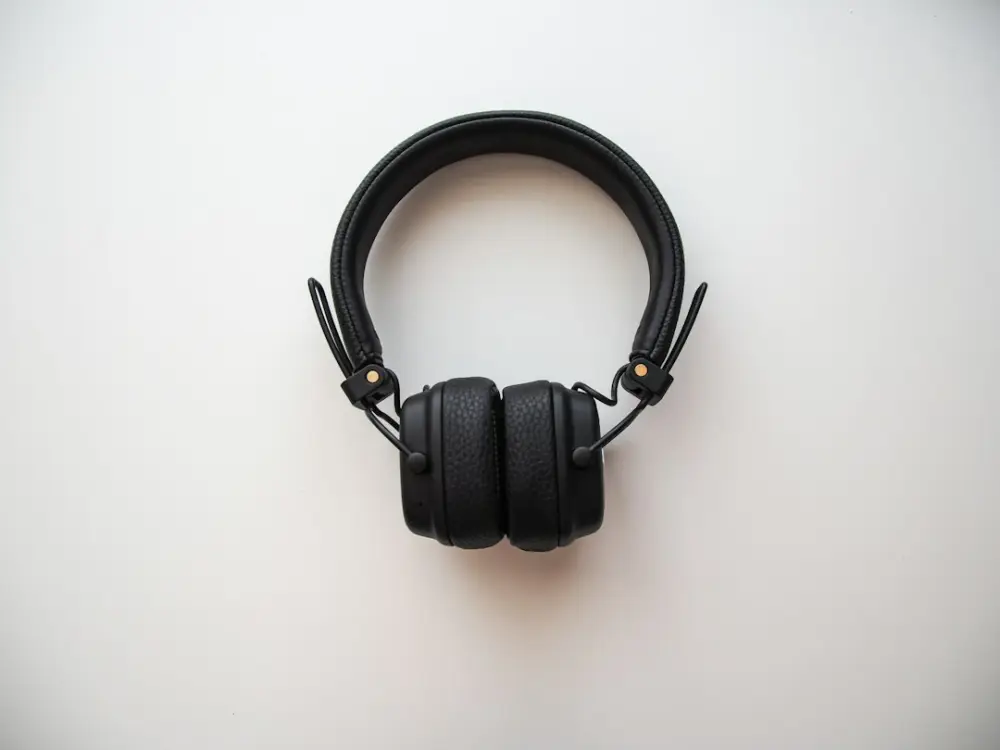
Audio description (AD) for exhibitions is a professional service that provides verbal narration of visual art, artifacts, and gallery layouts. It translates visual elements—like color, texture, and spatial relationships—into descriptive language, allowing blind and low-vision visitors to experience exhibitions through curated audio guides, live tours, or assistive technology.
This service bridges the gap between the static visual object and the visitor's mental image. Unlike a standard museum audio guide, which focuses primarily on historical context or artist biographies, audio description prioritizes the physical appearance of the work. For example, a description of a 2026 contemporary sculpture would detail the exact sheen of the polished steel, the.
How Audio Guides and Live Tours Function
Audio description is typically delivered through three primary formats: pre-recorded handheld devices, smartphone applications, or live, in-person tours. Museums often provide proprietary handsets at the information desk. These devices may use infrared or radio frequency (RF) triggers that automatically play the relevant description when a visitor stands in front of a specific painting or installation. This allows for a self-guided experience where the visitor controls the pace of their movement through the gallery.
Smartphone apps have become increasingly common in 2026, as they allow visitors to use their own assistive technology, such as screen readers or specialized headphones. Apps like those used at the Smithsonian or the Victoria and Albert Museum may offer "open description," where the audio is available to everyone, or "closed description," which requires a specific setting to be toggled. These digital platforms often include a guide to designing art experiences that integrate sensory feedback, ensuring the audio is high-quality and easy to navigate via voice commands.
Live tours offer a more interactive and dynamic experience. During these sessions, a trained describer walks with a group, providing real-time narration and responding to specific questions. This format is particularly effective for complex installations or performance art where the visual elements are constantly shifting. In these scenarios, the describer might use a portable microphone and transmitter system, allowing visitors to hear the description clearly through headsets even in a noisy gallery environment. This real-time interaction helps clarify how creative perception shapes artistic expression by allowing the visitor to ask for more detail on specific textures or colors that pique their interest.
Finding Accessible Exhibitions Near You
Locating exhibitions with high-quality audio description requires a targeted search, as not all institutions advertise these services on their main landing pages. The most reliable source of information is usually the "Access" or "Accessibility" tab on a museum’s official website. These pages typically list available services, such as tactile tours, Braille signage, and the availability of audio-described content. If the information is not explicitly listed, contacting the museum’s accessibility coordinator via email is a standard and effective next step.
External directories and advocacy organizations also maintain databases of accessible cultural events. Organizations like VocalEyes in the UK or the American Council of the Blind’s Audio Description Project provide searchable listings of upcoming described tours and permanent collections with AD features. These resources are invaluable for planning visits to smaller, independent galleries that may not have the budget for a permanent audio system but offer scheduled "access days" throughout the year.
Social media groups dedicated to blind and low-vision arts patrons are another practical resource. Members often share first-hand accounts of their experiences at specific venues, noting the quality of the description and the ease of obtaining the necessary equipment. For instance, a user might post about a specific 2026 photography exhibit that utilized QR codes to link directly to high-fidelity audio descriptions, providing a more seamless experience than traditional rental devices.
Preparing for Your Visit: What to Expect
Preparation is key to a smooth experience when attending an audio-described exhibition. It is often necessary to book a headset or a live tour in advance, especially for high-profile or temporary exhibitions where equipment may be in high demand. When calling ahead, verify whether the museum uses standard 3.5mm headphone jacks or if you need to bring your own Bluetooth-enabled device. Using personal, familiar headphones can often improve the clarity of the description and make the experience more comfortable.
Upon arrival, the first stop should be the information or accessibility desk. Staff members can provide a brief orientation on how to use the specific technology provided by the venue. Some museums also offer tactile maps or "touch objects"—3D-printed replicas or material samples—that accompany the audio description. For example, a description of an oil painting might be paired with a small canvas sample to demonstrate the thickness of the impasto technique mentioned in the audio.
Visitors should also be prepared for different styles of description. Some guides are strictly objective, focusing on measurements and literal placements, while others are more "poetic," attempting to convey the mood or emotional resonance of the visual art through evocative language. Knowing which style a museum employs can help set expectations. It is also helpful to check if the audio guide includes "wayfinding" descriptions, which give instructions on how to move from one gallery to the next, as this significantly increases the level of independence during the visit.
BlindArt’s Commitment to Accessible Gallery Experiences
The shift toward inclusive art perception is not just about compliance; it is about expanding the ways we understand creativity. By prioritizing auditory and tactile engagement, we move away from the idea that art is a purely visual medium. This approach encourages a deeper interrogation of how we perceive space, form, and color, regardless of our level of sight. At BlindArt, we focus on these sensory-rich environments to ensure that artistic expression remains accessible to everyone.
Our work involves highlighting the best practices in audio description and sensory creativity. We believe that when an exhibition is designed with audio description in mind from the beginning, the result is a more robust experience for all visitors. BlindArt serves as a resource for those looking to deepen their engagement with the arts through non-visual channels, offering insights into how sensory tools can be used to interpret and create. Through our community programs and editorial focus, we continue to advocate for a world where the gallery experience is defined by perception and experience rather than visual boundaries alone.