The Myth of the Creative Constraint
In the traditional design studio, accessibility has long been treated as the ‘final exam’—a series of checkboxes and compliance hurdles to be cleared after the ‘real’ creative work is finished. There is a persistent, though fading, belief that designing for inclusivity means sacrificing aesthetics or watering down a bold vision. However, a closer look at the current landscape of digital design reveals a different story: the most innovative, resilient, and visually striking work is being born from the very constraints that accessibility demands.
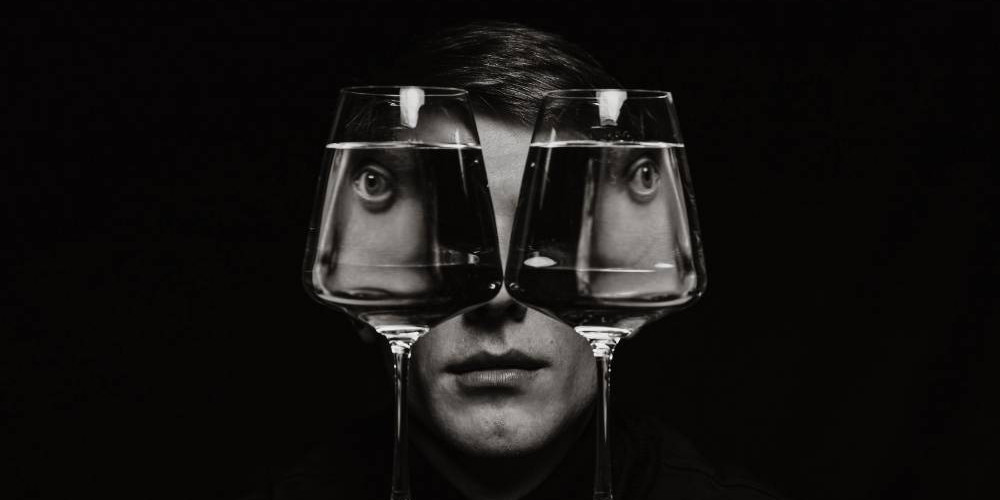
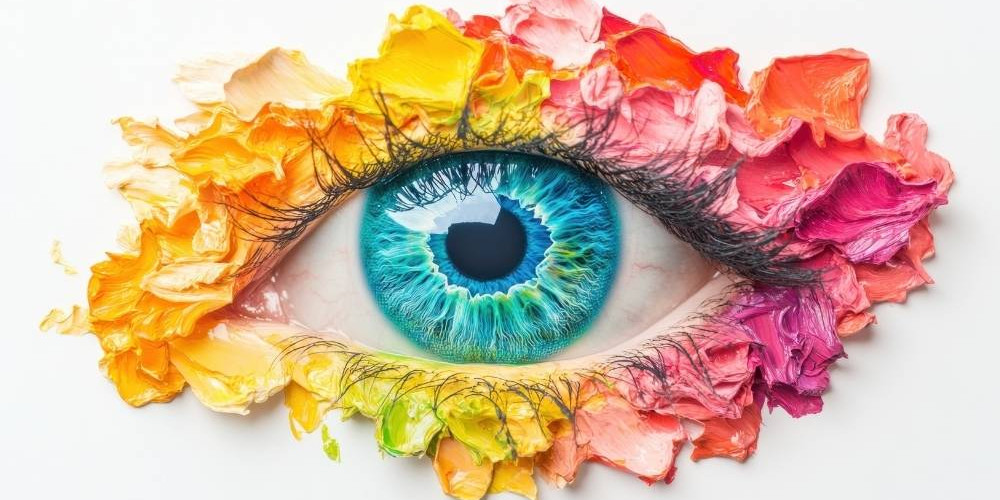
This shift reflects a broader understanding of how creative perception shapes expression, moving digital design toward an experience-rich future that engages more than just the eyes.
Creativity thrives under pressure. Just as a poet finds liberation within the strict meter of a sonnet, or an architect finds beauty in the structural requirements of a cliffside build, digital designers are discovering that accessibility is not a limitation, but a sophisticated design language. It forces a departure from the superficial and a return to the foundational principles of communication, perception, and human experience.
From Compliance to Craftsmanship
When we view accessibility as a creative engine, the design process shifts from ‘fixing’ to ‘founding.’ We are no longer just adding alt-text to images; we are interrogating how information is structured and how it might be perceived by a mind that interacts with the world differently. This shift in creative perception is what defines the modern designer.
The Intellectual Rigor of Inclusive UX
Designing for a screen reader, for example, requires a level of information architecture that purely visual design often overlooks. It demands a logical flow, a clear hierarchy, and a mastery of semantic meaning. When a designer ensures that a site is navigable via keyboard or voice command, they are essentially perfecting the ‘skeleton’ of the digital experience. This rigor results in a product that is cleaner, faster, and more intuitive for every user, regardless of their physical abilities.
The Digital ‘Curb-Cut Effect’
In urban planning, the ‘curb-cut effect’ describes how features designed for people with disabilities—like sidewalk ramps—end up benefiting a much larger population, such as parents with strollers, travelers with luggage, or cyclists. The digital world is currently experiencing its own version of this phenomenon. Many of the features we now consider ‘premium’ or ‘cutting-edge’ were originally born from accessibility needs.
- Dark Mode: Originally intended to reduce eye strain and assist those with light sensitivity, it is now a standard aesthetic preference for millions.
- Voice User Interfaces (VUI): Developed to assist those with motor impairments, voice commands have become the backbone of smart home technology and mobile convenience.
- Captions and Transcripts: Vital for the d/Deaf and hard-of-hearing communities, these are now used by the general public to consume content in sound-sensitive environments.
- High Contrast Themes: Essential for low-vision users, these designs have influenced the ‘brutalist’ and ‘minimalist’ aesthetic trends that prioritize clarity and punchy visuals.
Designing for Multi-Sensory Perception
At BlindArt, we often discuss how creative perception shapes artistic expression beyond vision. In digital design, this translates to a move away from ‘eye-candy’ toward ‘experience-rich’ interfaces. When designers can no longer rely solely on color to convey meaning, they must become masters of shape, texture, spacing, and haptics.
This multi-sensory approach is where the true avant-garde of design resides. Imagine a shopping app that uses specific haptic vibrations to indicate a successful checkout, or a news site that uses spatial audio to guide a user through a long-form article. These aren’t just ‘accessible’ features; they are transformative creative choices that deepen the user’s emotional connection to the product.
The Editorial Shift: Why It Matters Now
The trend we are observing is one of maturity. The digital industry is moving away from its ‘Wild West’ phase of flashy, inaccessible flash-based sites toward an era of architectural integrity. We are seeing a pattern where inclusivity is being integrated into the brand identity itself. Brands like Apple, Microsoft, and Airbnb have proven that an obsession with accessibility does not result in a boring product; it results in an iconic one.
The New Creative Standard
For the next generation of designers, the challenge will be to stop seeing accessibility as a separate department. The most successful creatives will be those who see a WCAG (Web Content Accessibility Guidelines) report not as a list of errors, but as a roadmap for innovation. They will understand that by solving for the edges, they are creating a more robust center.
Conclusion: The Future of Creative Perception
Accessibility is the most creative part of digital design because it requires the highest level of empathy and problem-solving. It asks the designer to step outside their own sensory experience and imagine a multitude of ways to interact with the world. This is the essence of art: the bridge between different human experiences.
As we continue to explore the intersection of inclusive creativity and digital expression, it becomes clear that the ‘constraints’ of accessibility are actually the keys to a more imaginative, functional, and beautiful web. For those willing to embrace this challenge, the potential for creative breakthrough is limitless. The future of design isn’t just visual; it is perceptive, inclusive, and profoundly human.