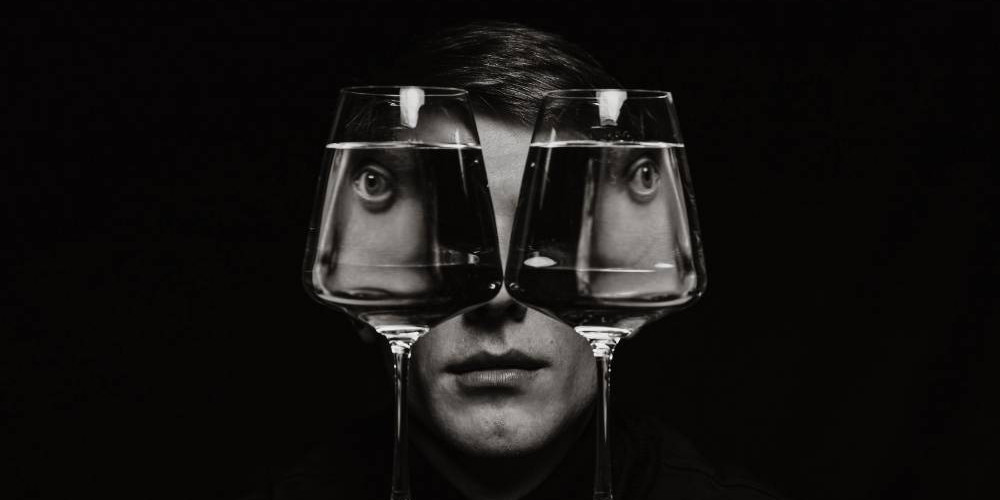
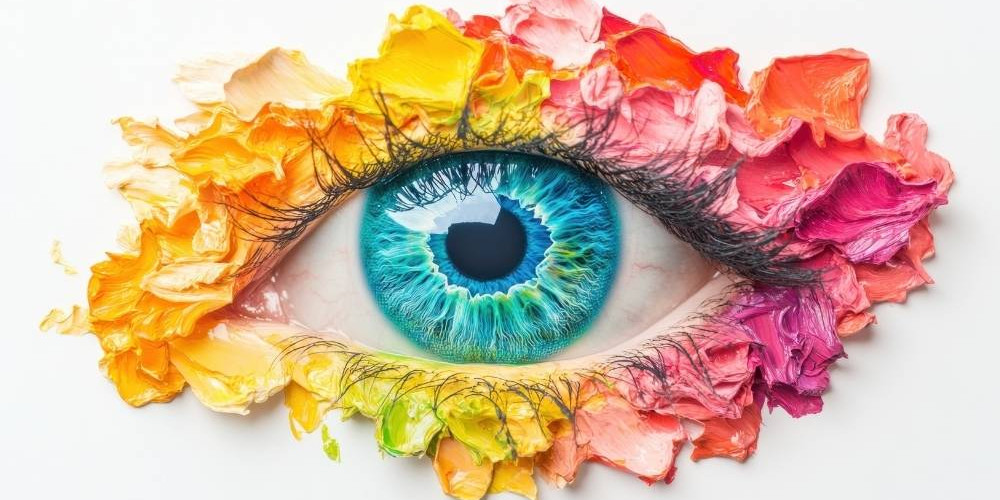
Art has never been limited to sight. While visual perception dominates conventional discussions of creativity, artistic expression is fundamentally rooted in perception—not vision alone. Sound, touch, memory, emotion, and spatial awareness all shape how art is conceived and experienced. When creative perception expands beyond the visual, art becomes more inclusive, more honest, and often more powerful.
Understanding this shift challenges long-standing assumptions about how art is made, who can make it, and how it should be experienced.
Perception Is the True Foundation of Creativity
Vision is a tool, not a prerequisite. Creativity originates from how individuals interpret the world through their available senses and cognitive frameworks. Artists working beyond vision rely on heightened awareness of texture, rhythm, temperature, balance, and emotional resonance.
This approach does not diminish artistic quality—it refines it. When vision is no longer dominant, intention becomes sharper and expression more deliberate.
Artistic Expression Extends Beyond the Visual Medium
Artistic expression is often reduced to what can be seen, yet many art forms already operate beyond visual dominance. Music, spoken word, sculpture, performance, and tactile installations engage audiences through non-visual perception.
When artists prioritize perception over appearance, they:
- Emphasize experience over aesthetics
- Create work that is felt, not just observed
- Invite deeper audience engagement
This shift redefines what it means to “see” art.
Constraint Strengthens Creative Depth
Limitations are not barriers; they are creative catalysts. When vision is removed or deprioritized, artists develop alternative methods of exploration and expression. These constraints demand innovation, clarity of concept, and precision of execution.
Historically, some of the most influential artistic movements emerged from constraint. Creative perception beyond vision continues that tradition by forcing artists to rethink process, materials, and outcomes.
Tactile and Sensory Intelligence in Art
Touch is one of the most underutilized yet powerful sensory channels in art. Texture, weight, temperature, and form communicate meaning directly to the body. Tactile-driven art establishes an immediate connection between creator and audience, bypassing visual interpretation.
Sensory-based artistic practices emphasize:
- Physical engagement
- Embodied understanding
- Emotional immediacy
These qualities make art more accessible and more human.

Redefining Accessibility as Creative Value
Accessibility is often framed as accommodation. This is a flawed perspective. Inclusive artistic practices expand creative possibility rather than restrict it. When art is designed to be experienced beyond vision, it becomes richer for everyone.
Accessibility introduces new creative standards—ones that value clarity, intentionality, and multisensory engagement. These standards elevate artistic expression rather than dilute it.
The Audience Experience Changes
Art beyond vision reshapes the role of the audience. Viewers become participants. They listen, touch, move, and interpret actively rather than passively consuming visual information.
This participatory dynamic creates stronger emotional connections and longer-lasting impact. Art is no longer something to look at—it is something to encounter.
Beyond Vision, Toward Deeper Meaning
Creative perception that extends beyond vision reconnects art with its original purpose: communication, connection, and expression. It removes unnecessary hierarchy between senses and centers human experience as a whole.
Art created through expanded perception does not compete with visual art—it complements and challenges it, pushing the creative field forward.
The Core Insight
Art is shaped by how we perceive, not by what we see. When creative perception moves beyond vision, artistic expression gains depth, accessibility, and authenticity. This approach does not redefine art—it reveals what art has always been capable of.