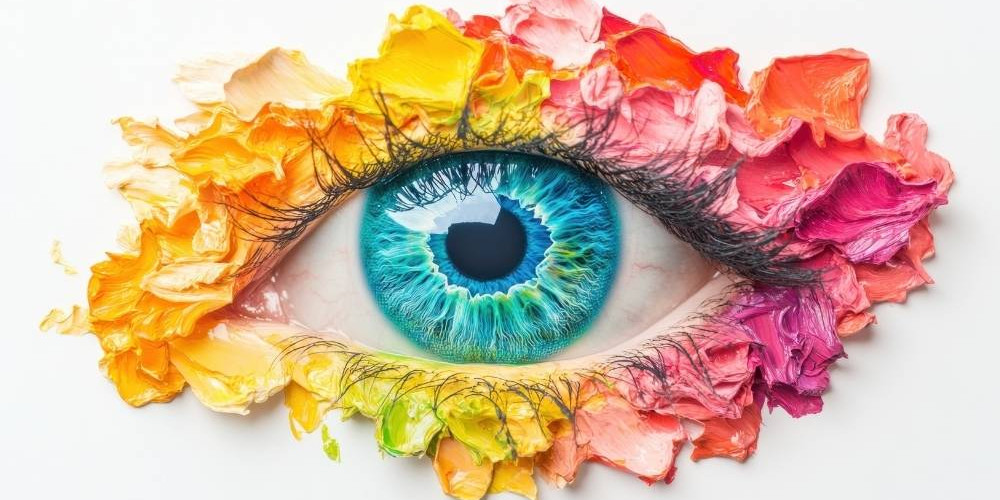
Inclusive creativity is not a niche concern or a moral add-on to artistic practice. It is the future of art itself. As society reexamines who art is for and how it is experienced, accessibility and perception are no longer secondary considerations—they are central design principles.
The next era of creativity will be defined not by exclusivity of vision, but by the depth of human experience it enables.
Inclusion Is a Creative Imperative
For decades, accessibility in art was treated as accommodation—something added after the work was complete. This approach limits creativity and reinforces narrow definitions of artistic value.
Inclusive creativity flips this logic. It treats diverse perception as a starting point rather than a constraint. When artists design with accessibility in mind from the outset, they expand expressive potential and conceptual clarity.
Inclusion does not dilute artistic intent. It sharpens it.
Perception Shapes Artistic Meaning
Art exists through perception. Sight is only one pathway among many. Touch, sound, movement, memory, and emotional resonance all contribute to how meaning is constructed.
When creativity acknowledges multiple perceptual experiences:
- Art becomes more layered and intentional
- Audiences engage more actively
- Interpretation becomes personal rather than prescribed
This shift recognizes that perception is varied, and that variation strengthens creative work.
Accessibility as a Design Framework
Accessibility is most powerful when embedded at the design level. Artists and institutions that adopt accessibility as a framework rethink materials, spaces, and interaction.
This approach prioritizes:
- Multisensory engagement
- Clear experiential intent
- Flexible modes of participation
Rather than limiting expression, accessibility forces precision. Ideas must be communicated through experience, not assumed visibility.
Technology Accelerates Inclusive Creativity
Advances in technology are expanding the tools of inclusive art. Haptic feedback, spatial audio, adaptive interfaces, and immersive environments allow artists to design experiences that engage the full sensory spectrum.
Technology does not replace traditional art forms—it extends them. When used strategically, it enables deeper accessibility without sacrificing artistic integrity.
Institutions Must Evolve or Fall Behind
Galleries, museums, and cultural institutions shape creative norms. If they continue to privilege sight as the primary mode of engagement, they risk irrelevance. Inclusive creativity demands institutional change.
This includes:
- Rethinking exhibition design
- Expanding curatorial criteria
- Valuing sensory and experiential work equally
Institutions that adapt will lead. Those that resist will stagnate.
The Audience as Co-Creator
Inclusive creativity transforms audiences from passive observers into active participants. Meaning is not delivered—it is experienced. This participatory dynamic strengthens emotional connection and broadens cultural relevance.
Art becomes a shared process rather than a closed statement.
The Long-Term Impact
Inclusive creativity does more than improve access. It reshapes how culture evolves. Art that reflects diverse perception builds empathy, challenges assumptions, and fosters connection across difference.
This is not about compliance or trend alignment. It is about relevance, longevity, and truth.
The Defining Insight
The future of creativity belongs to art that recognizes perception as diverse and accessibility as essential. When art is designed to be experienced beyond vision, it becomes more human, more resilient, and more powerful.
Inclusive creativity is not the future because it is fair.
It is the future because it works.