

A Broader Perspective
Creativity Is More Than Visual Output
Traditional discussions of creativity often focus on what can be seen: images, colors, and visual composition. Yet creativity also exists in rhythm, texture, movement, language, and conceptual structure. These elements shape how ideas are understood and remembered.
BlindArt examines creativity as an experience rather than a static object. By shifting attention from surface aesthetics to perception and interpretation, the platform highlights how creative meaning can exist independently of visual dominance.
How Ideas Are Perceived
The Building Blocks of Alternative Creative Experience
Creative perception is shaped by multiple dimensions that work together. Understanding these elements reveals how ideas communicate meaning beyond imagery.
Sensory Interpretation
Sound, texture, and spatial awareness influence how creative ideas are received and emotionally processed.
Narrative Structure
Stories, sequences, and conceptual flow provide clarity and coherence beyond visual cues.
Cognitive Engagement
Interpretation, imagination, and mental imagery allow audiences to construct meaning internally.
Experiential Design
How an idea unfolds over time shapes understanding more than how it appears at first glance.

Designed for Thoughtful Exploration
For Creators, Designers & Curious Minds
BlindArt is built for individuals who are interested in creativity as a system rather than a product. This includes creators, designers, educators, and thinkers who seek to understand how ideas function beyond visual aesthetics.
The content is intentionally neutral and conceptual, making it relevant across disciplines and adaptable to a wide range of creative practices.
Understanding the Experience
How Interpretation Shapes Creative Value
Creative value emerges through interpretation. The same idea can carry different meanings depending on how it is experienced, contextualized, and processed. BlindArt focuses on this interpretive layer, examining how perception transforms creative input into understanding.
By emphasizing experience over form, the platform encourages deeper engagement with creative ideas and challenges assumptions about how creativity should be consumed.
Get in Touch
Inquiries and Professional Contact
Frequently Asked Questions
Understanding Creative Perception and Inclusive Expression.
A: BlindArt is a platform that explores creativity through perception, experience, and interpretation rather than visual appearance alone. It focuses on how ideas, concepts, and artistic meaning can be understood through alternative sensory and cognitive approaches.
A: No. While visual art may be referenced, BlindArt emphasizes creative expression that extends beyond sight. This includes conceptual thinking, sensory engagement, and experiential design methods that prioritize meaning over form.
A: BlindArt is intended for artists, designers, educators, researchers, and creative professionals interested in inclusive creative practices and alternative ways of experiencing and interpreting artistic work.
A: BlindArt supports educational and research-based discussions related to creativity, perception, and inclusive design. Content may include written insights, conceptual frameworks, and references useful for academic or professional contexts.
A: Accessibility is addressed through an emphasis on experience, clarity, and interpretation rather than visual dependency. This approach encourages creative work that can be engaged with across different abilities and contexts.
A: No. BlindArt is not positioned as a commercial marketplace or product provider. It functions as a conceptual and informational space focused on ideas, discourse, and creative exploration.

The Myth of the Creative Constraint In the traditional design studio,…
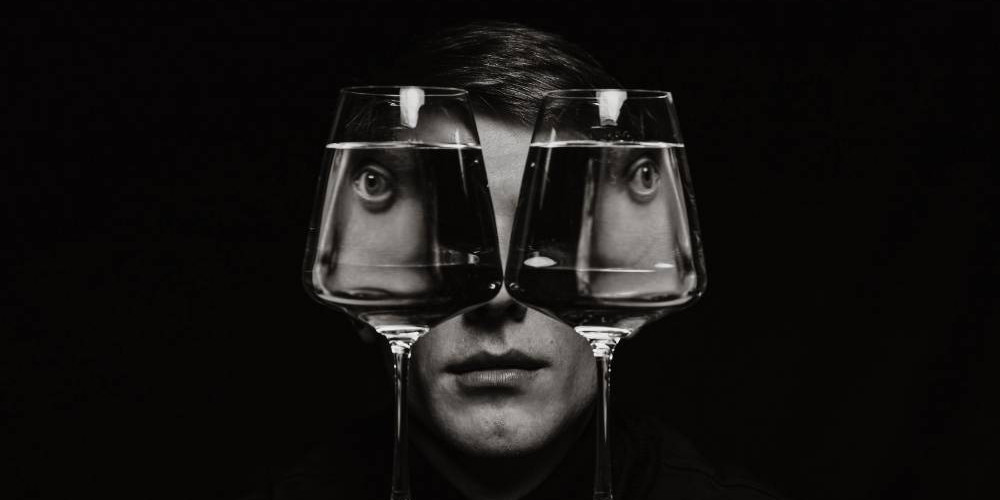
Inclusive creativity is not a niche concern or a moral add-on to artistic…
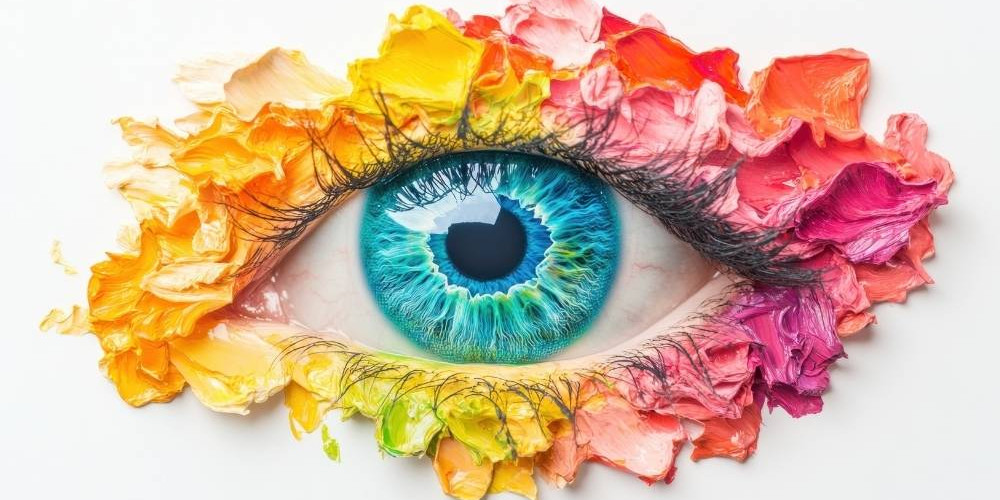
Visual art has long been governed by sight as its primary authority. Galleries…

Art has never been limited to sight. While visual perception dominates…
Where Creativity Moves Beyond Sight
A platform dedicated to understanding how creativity is experienced through alternative sensory and cognitive pathways.
 © 2025 BlindArt. All rights reserved.